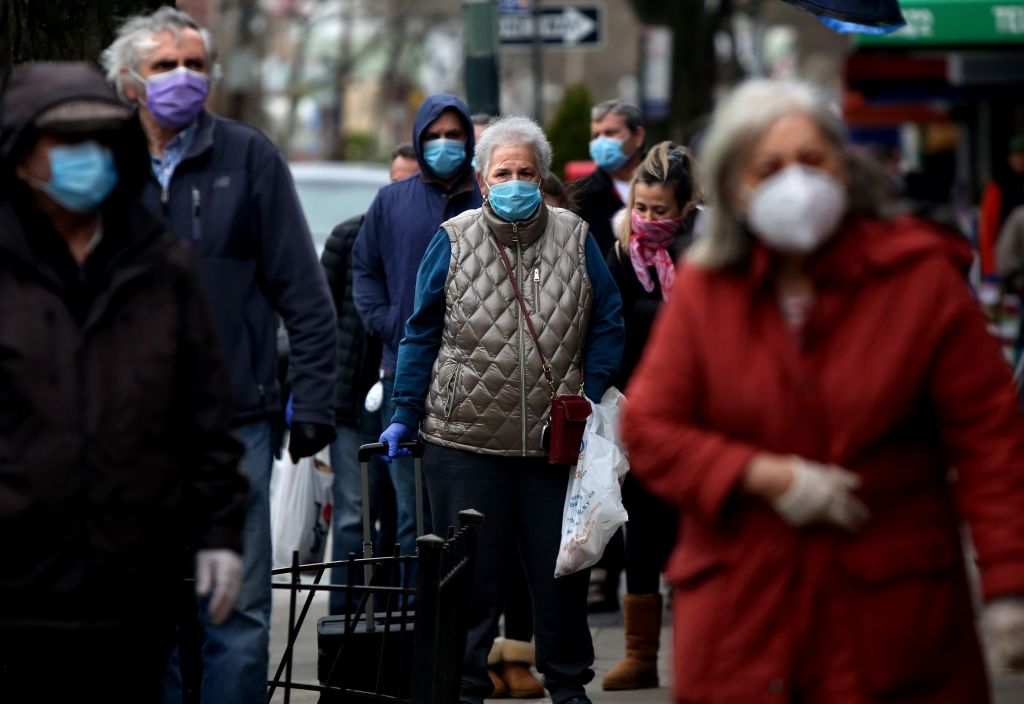
As a result of the Covid-19 pandemic, economic impact payments are being issued to Americans across the country per the CARE act (Hansen, 2020). In the past three weeks, some 17 million people have filed for unemployment benefits (Internal Revenue Service, 2020). The goal of the economic impact payments or stimulus checks is to lessen some of the economic burden the virus has caused. $1,200 checks are currently being issued to U.S. citizens, permanent residents, or qualifying resident aliens (Internal Revenue Service, 2020). $2,400 checks will be issued to couples married filing jointly (Internal Revenue Service, 2020). Taxpayers will receive a reduced payment if their adjusted gross income (AGI) is between:
- $75,000 and $99,000 if their filing status was single or married filing separately.
- $112,500 and $136,500 for head of household.
- $150,000 and $198,000 if their filing status was married filing jointly.
The amount of the reduced payment will be based upon the taxpayer’s specific adjusted gross income (Internal Revenue Service, 2020). If a taxpayer’s AGI is higher than these amounts, they will likely not receive an economic impact payment (Internal Revenue Service, 2020). Those with qualifying children will receive an extra $500 per child. A qualified child must meet the following conditions:
- The child is the taxpayer’s son, daughter, stepchild, eligible foster child, brother, sister, stepbrother, stepsister, half-brother, half-sister, or a descendant of any of them.
- The child is claimed as a dependent on the taxpayer’s return.
- The child was under age 17 at the end of the taxable year.
- The child was a U.S. citizen, U.S. national, or U.S. resident alien.
- The child has a valid SSN or an Adoption Taxpayer Identification Number (ATIN).
As one would expect, many Americans fall within the appropriate category to receive a stimulus check. The question is: how are they spending these checks, and why?
Inconsistent with their typical discretionary spending habits, most Americans are spending their stimulus checks on necessities such as groceries, gas, and pharmacy purchases (Hansen, 2020). A recent Gallup poll revealed that 35% of people plan to use their stimulus money to pay bills, 16% said they will purchase essentials like groceries, and 29% planned to save or invest it (Hansen, 2020).
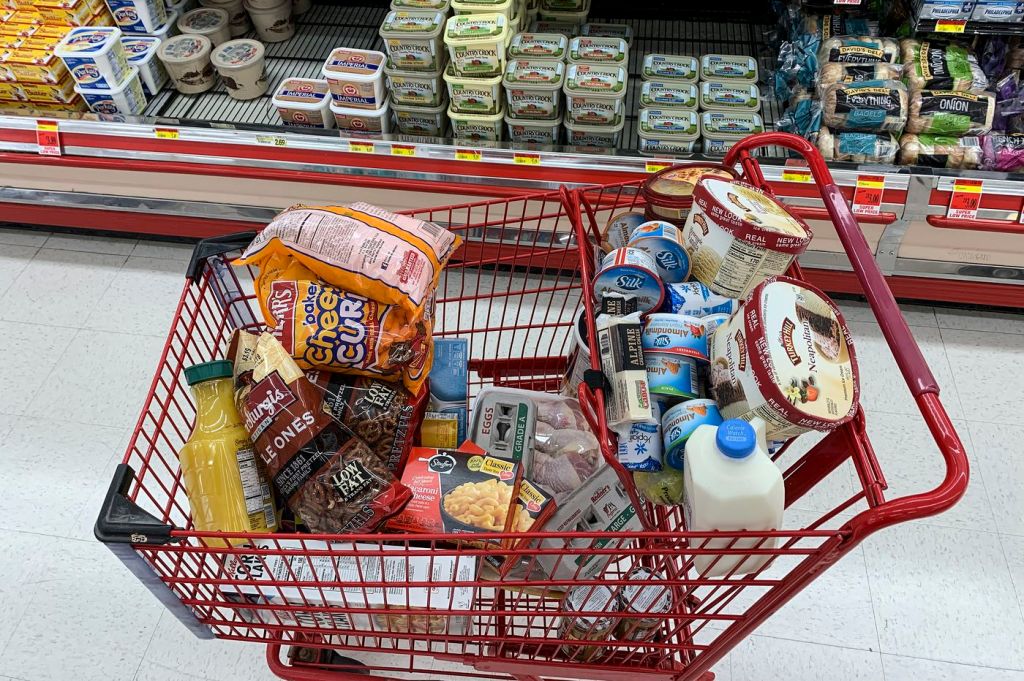
Why are so many Americans spending their stimulus payments on necessities and not discretionary items? The answer to this may lie within the mentality many Americans have towards the virus and its implications. Since the beginning, there has been a great deal of fear surrounding the novel coronavirus. Many Americans began panic buying in fear that a lockdown may prevent them from purchasing necessities. This fear and panic in response to the threat of an illness is actually a very normal psychological response.
Before modern medicine, infectious disease would have been one of the biggest threats to human survival (Robson, 2020). Although the immune system is excellent at destroying pathogenic invaders, these reactions leave humans feeling lethargic (Robson, 2020). During evolutionary times, illness-related lethargy caused stress within tribes (Robson, 2020). The infected were unable to perform essential duties such as hunting, gathering, or child rearing (Robson, 2020). Furthermore, being ill is physiologically expensive (Robson, 2020). The rise in body temperature during a fever, though essential for an effective immune response, results in a 13% increase in the body’s energy consumption (Robson, 2020). During evolutionary times when food was scarce, this would have been a serious burden (Robson, 2020).
With this in mind, it makes sense that our brains are wired to fear infectious disease outbreaks. Additionally, our fear causes us to act more cautiously than we normally do. Therefore, we would expect that Americans are mainly spending their stimulus checks on necessities. With the threat of illness looming and an uncertain future, Americans will inevitably use their resources to put their survival first.
References:
Hansen, S. (2020). How are Americans spending those $1,200 stimulus checks? Food, gas, and bills. Received from https://www.forbes.com/sites/sarahhansen/2020/04/15/how-are-americans-spending-those-1200-stimulus-checks-food-gas-and-bills/#39bd8472e5a8
Internal Revenue Service. (2020). Economic impact payment information center. Received from https://www.irs.gov/coronavirus/economic-impact-payment-information-center
Robson, D. (2020). The fear of coronavirus is changing our psychology. Retrieved from https://www.bbc.com/future/article/20200401-covid-19-how-fear-of-coronavirus-is-changing-our-psychology
Image References:
Long, H. (2020). The $1,200 stimulus checks are arriving: People are mostly spending them on food. Retrieved from https://www.washingtonpost.com/business/2020/04/14/1200-relief-checks-have-begun-arriving-bank-accounts-people-are-mostly-spending-it-food/
 Applying Psychology To Financial Decisions